Most organisations don’t start with whistleblowing or internal reporting software.
They start simple — a shared inbox, a spreadsheet, and a few policy documents outlining how employees should speak up. It’s familiar, it’s free, and it feels under control. For a while, it works fine.
Then something changes. A few more reports come in. A manager leaves. An audit request lands. Suddenly, the once-manageable system starts to creak under the pressure. What was meant to be a simple process becomes a headache.
This is the story we hear from almost every team we speak to. So let’s look at how most organisations handle internal reporting today, where this approach starts to break down, and what changes when a proper system is introduced.
How Teams Actually Handle Internal Reporting Today
In most companies, internal reporting grows out of whatever tools the team already uses.
Typically this looks like:
Reports arriving through a shared email inbox or passed on informally
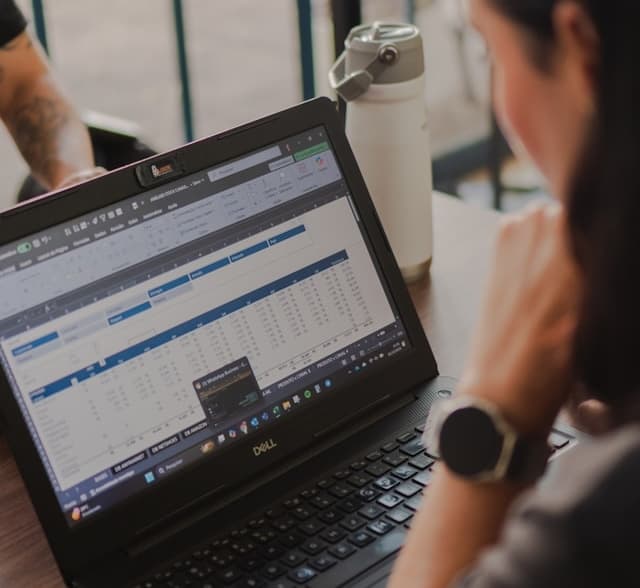
Cases tracked in a spreadsheet stored on a shared drive
Notes scattered across Word documents or Teams chats
Unclear ownership on who’s meant to follow up and when
This setup feels practical at first — especially when there are only a handful of reports a year. Everyone knows roughly where things are. But it depends heavily on trust, habits, and manual updates. There’s no automation, limited visibility, and no permissions management beyond “who can open the folder.”
It’s the digital equivalent of sticky notes and good intentions.
Where This Starts to Break Down
As soon as reporting activity increases — or new people get involved — cracks begin to show.
Here’s where most teams start to feel the strain:
No clear ownership Cases often sit unassigned because nobody is formally responsible. Tasks get shared around “for now,” and important follow-ups slip as workloads change.
Status becomes unreliable Spreadsheets depend on manual updates. Someone forgets, or different versions are saved in different places. Before long, there’s no single, confident view of what’s open, closed, or overdue.
Sensitive information is exposed When reports and notes are shared over email or stored in open folders, confidentiality becomes impossible to guarantee. Even with good intentions, access control is weak.
Audit trail is incomplete During an internal or external investigation, reconstructing what happened takes hours of trawling through emails and timestamps. Key details get lost, leaving gaps that can look like negligence.
Things get missed Without built-in reminders or workflows, smaller issues simply fall through the cracks. Follow-ups are forgotten, and patterns across reports are hard to identify.
Spreadsheets are incredibly flexible — but they weren’t built for sensitive, traceable case handling. At scale, the limitations become more visible and more costly.
Why This Matters More Now (EU Context)
The stakes have also changed.
Under the EU Whistleblowing Directive, organisations operating within or connected to the EU are now required to maintain structured, confidential, and auditable reporting channels. Employers must:
Offer a way for employees to report concerns securely and anonymously
Track and document how each report is managed
Demonstrate confidentiality and accountability in any future audit
In practice, that means email and spreadsheet-based systems often fall short. They can’t create a defensible audit trail or guarantee data protection — both key expectations in EU compliance. What used to be an “informal process” now sits firmly within regulated territory.
What Changes With a Structured System
When a team adopts a proper reporting platform, the improvement is immediate.
A structured system doesn’t just digitise reports — it fixes the underlying process. For example:
Centralised intake: All cases are logged in one place, avoiding scattered reports or inbox dependency.
Defined case ownership: Every report is assigned to a handler with clear accountability.
Status tracking and history: You can see at a glance what’s open, in progress, or closed, complete with timestamps and activity logs.
Secure communication: Messages are exchanged within the system, encrypted and access-controlled.
Built-in audit trail: Every action is automatically recorded for compliance review, avoiding the “who changed what” guessing game.
Instead of adding admin time, these systems reduce it — and let investigators spend more time understanding cases, not chasing files.
From Workarounds to a Proper Process
Most teams don’t start with a reporting platform. They evolve into one.
The early DIY setup makes sense — you only invest in software when things get complex enough to justify it. Over time, though, those manual structures stop being manageable.
And that’s when teams realise something important: Spreadsheets aren’t the problem — they’re just not built for this.
A proper reporting platform doesn’t replace discipline; it supports it. It helps teams handle sensitive reports responsibly, without relying on memory, version control, or unprotected data.
How Disclosurely Fits In
Disclosurely was designed for exactly this moment — when a team outgrows spreadsheets but doesn’t want heavy, complex case management tools.
With Disclosurely, organisations get:
A secure reporting channel for employees and third parties
Structured case handling with assigned owners and role-based access
Anonymous two-way communication for safer follow-up
Automatic audit logs for accountability and compliance readiness
The goal is simple: make professional-level whistleblowing and internal reporting accessible to any organisation, without the complexity that usually comes with governance software.
When It’s Time to Move On From Spreadsheets
There’s no precise cut-off point — but most teams know when it’s time.
Common triggers include:
The number of reports increasing beyond a handful each year
Multiple people needing to coordinate case follow-ups
Stricter compliance or data protection requirements
More frequent audit or review requests
At that stage, moving to a structured system isn’t an overhead — it’s a safeguard. It protects your people, strengthens accountability, and prevents small oversights from becoming big liabilities.
Every organisation starts simple — and that’s okay. But internal reporting isn’t like project tracking or marketing data. It deals with sensitive information, ethical responsibility, and regulatory oversight.
That means it needs:
Structure to stay organised
Accountability to ensure follow-up
Traceability to prove compliance
If you’re still managing reports through email and spreadsheets, you’re not alone — but it’s probably a sign it’s time for something more reliable.
Explore how Disclosurely works: https://disclosurely.com/demo Or book a short walkthrough (15 mins) to see it in action.